AI in Product Customization
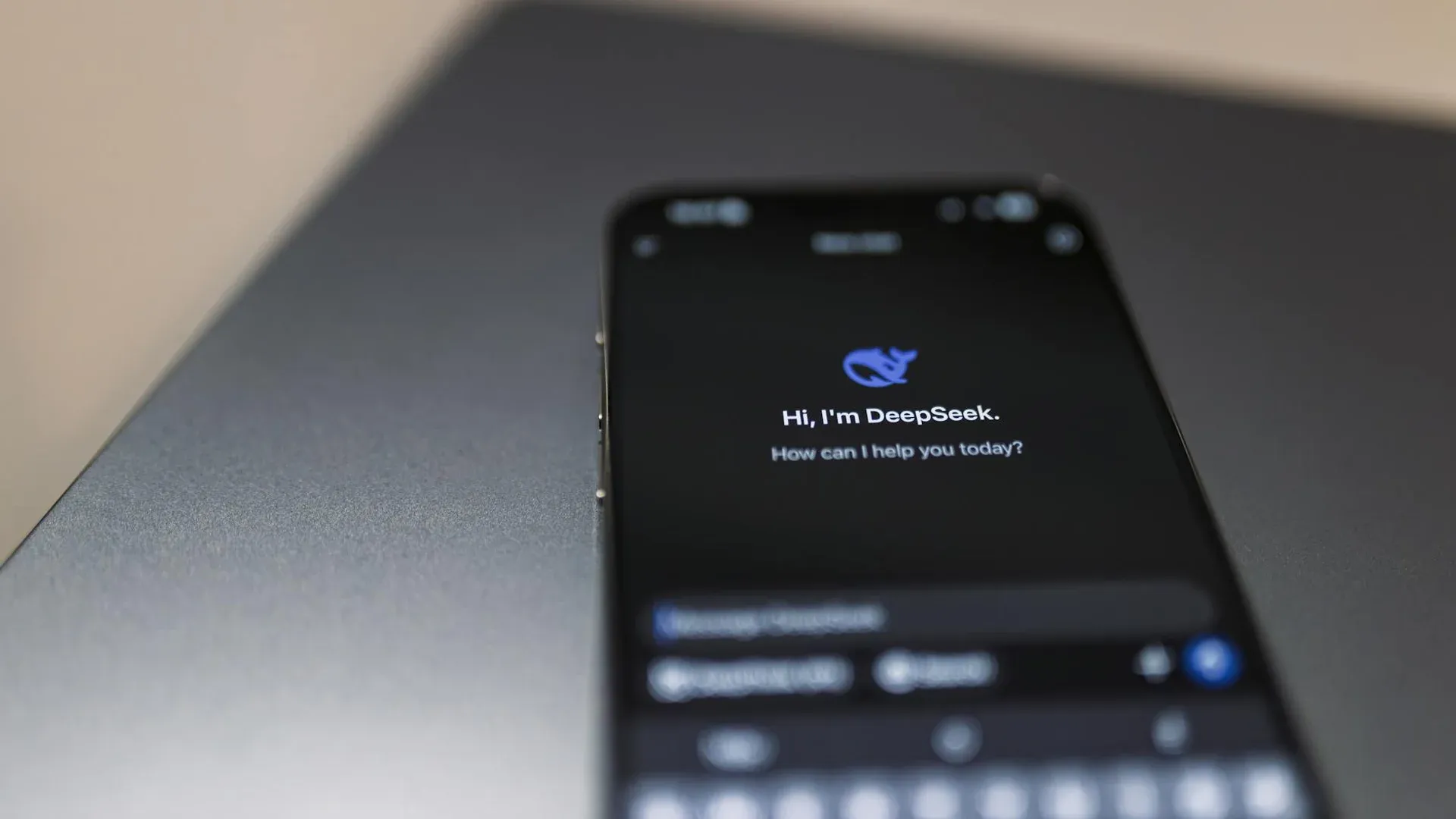
Artificial intelligence is already part of many promotional suppliers’ commercial workflows: it generates previews on product photos, suggests color combos from brand guidelines, and automates repetitive quoting. It doesn’t replace human judgment on print quality or compliance, but it cuts time and mistakes. At UniversoUSB, we look at how to leverage it without losing creative control.
Where It Adds Value Today
Mockups and Variants: Uploading a logo and seeing it on dozens of models —power banks, earbuds, bottles— in seconds speeds proposal work for agencies and marketing teams. They can compare logo size, placement, and contrast before ordering physical samples.
Product Recommendation: Systems trained on catalogs can suggest items aligned to budget, industry, or event: “tech trade show, 500 units, young audience.” Recommendations should always be validated against real stock and production lead times.
Limits and Risks
- Intellectual property: Don’t use AI to mimic third-party brands or restricted typefaces.
- Screen color vs print: CMYK profiles and substrates change outcomes; physical proofing still rules.
- Client data: If you share briefs with cloud tools, check retention and confidentiality policies.
Best Practices for B2B Buyers
Pair AI-generated drafts with designer review for brand rules. Ask suppliers for final vector files and factory-approved imprint area specs. Document versions: date, product code, and customization method (laser, pad print, UV).
Recommended Workflow in Agencies
State in the brief whether AI explores concepts only or may appear in final deliverables subject to legal review. Some clients ban certain models or require prompt and source logs for audits. A written frame prevents rework when legal rejects an auto-generated layout.
In mass production, AI speeds A/B packaging variants for social tests, but print or pad-print files must come from vector tools with validated color profiles. AI speed doesn’t offset bad CMYK on ten thousand boxes.
- Version control: Name files with SKU and revision (v1, v2).
- Image rights: Check whether generated elements need extra licensing.
- Human sign-off: A brand owner approves before manufacturing.