Checklist: Everything Before Ordering POP
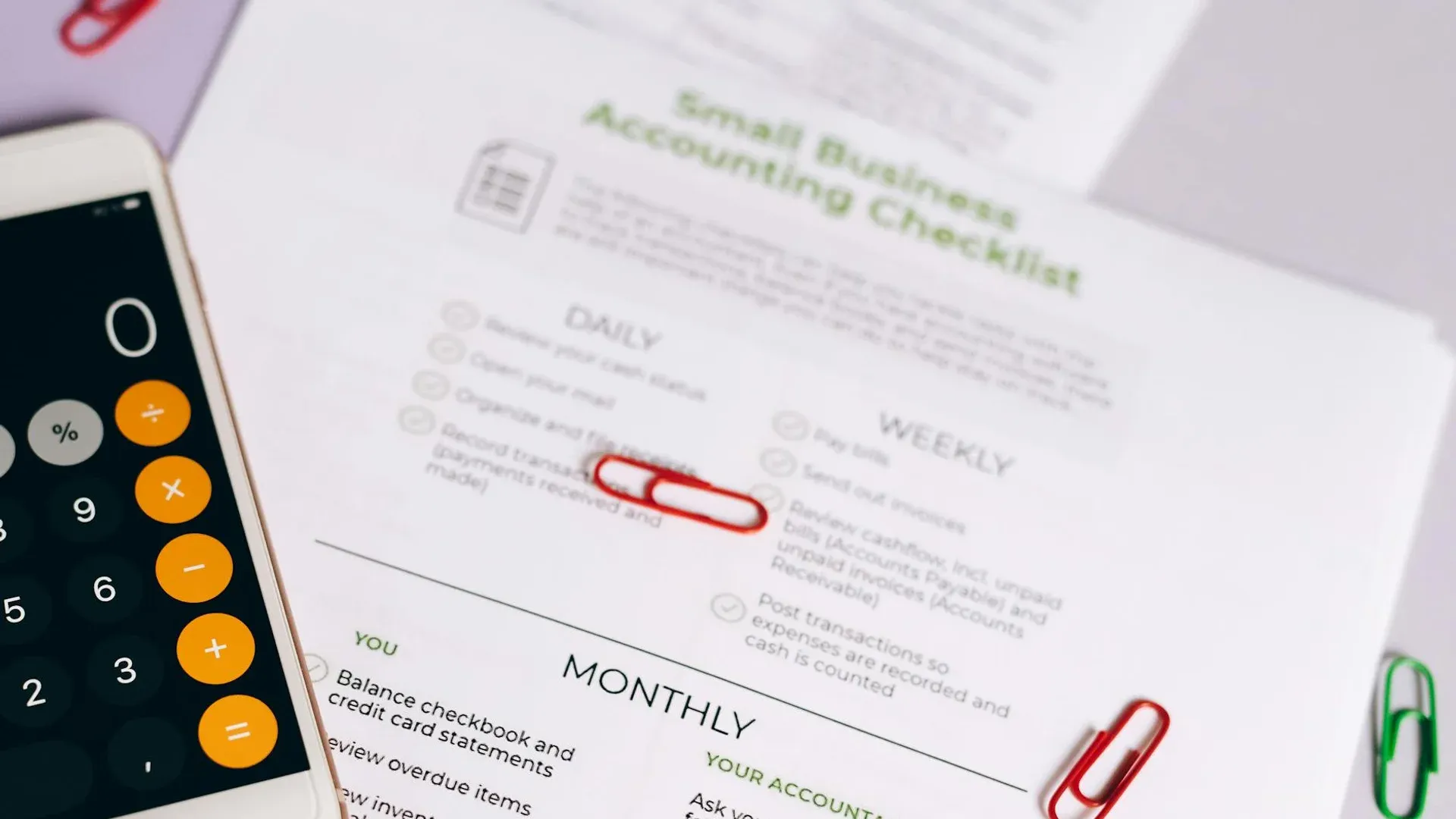
A POP order that returns from the factory with the wrong color or a pixelated logo costs twice as much in time and reputation. This checklist captures what procurement, design, and the supplier must lock before production starts.
Brief and Goal
- Purpose of the material (trade show, retail, onboarding, VIP gift).
- Recipient profile and usage context.
- Required message (tagline, legal line, QR).
Brand Identity
Brand manual or PDF with approved logo versions, colors with references (Pantone, CMYK, RGB as required), approved typefaces, and clear space. If you mix print and engraving, confirm how corporate color translates per technique.
Technical Final Art
- Vector files for logos and critical type.
- Proper resolution for raster images at large sizes.
- Supplier templates completed (bleed, safe zones).
Quantities and Variants
Breakdown by size, product color, packaging language, or kit. A common mistake is one bulk total without split by site or event—then one location runs short while another has excess.
Dates and Delivery Terms
Hard delivery date at destination, not only “ex works.” Include display assembly, stand rehearsal if needed, and slack for customs or internal shipping.
Compliance and Rights
Confirm rights to reproduce third-party logos (partnerships, certification marks). Some sectors restrict claims on packaging.
Internal Coordination and a Single Source
The usual bottleneck is not the factory but marketing with three logo versions in different folders. Designate one repository (shared drive or DAM) and freeze the version when sending to production. Any later change needs a visible version number in the filename.
Procurement and legal should review sampling clauses and third-party mark reproduction before mass OK. Having that talk early stops the order when the supplier requests license evidence.
If you distribute across countries, confirm electrical labeling, manual language, and plugs when kits include chargers; that is not always plug-and-play across regions.
Insurance, Incoterms, and Liability
For high-value or fragile shipments, weigh cargo insurance and who bears breakage in transit. Incoterms define when risk passes to the buyer; aligning expectations with procurement prevents fights if a courier leaves a pallet in the rain.
If POP includes batteries, liquids, or magnets, ask about carrier restrictions and import paperwork; a customs delay can miss the show even when the factory hit the date.
Receipt and QC at Destination
Define who opens the first carton, with what checklist (quantity, color, logo placement, odd ink odor). Photo issues with lot labels visible; it speeds supplier claims and avoids “cannot reproduce” months later.
If you hand off to third-party logistics, send written instruction not to mix lots or remove ID labels until the site verifies.
Training for Field Teams
If sales or brand ambassadors hand out POP, add a short “talk track” to the checklist: what to say in ten seconds about the product and how to handle common questions. Training reduces awkward silences at the booth and makes the gift feel intentional rather than random. Include a photo of the correctly assembled display so remote teams can self-audit before photos go to social.