Packaging & Presentation Guide for POP
The promotional product starts communicating before it leaves the bag: box weight, paper texture, sleeve logo alignment. Packaging is not a throwaway cost; it is the first layer of message. This guide maps practical options to brand goals.
What Packaging Must Do
It protects in transit, organizes multi-item kits, and ritualizes handoff. Cheap blister may fit high-volume show floors; a rigid box with EVA insert suits deal-closing or executive gifts. Decide the emotion you want: surprise, solidity, minimalist sustainability.
Common Presentation Formats
- Cardboard box + printed sleeve: cost/image balance; strong for internal ecommerce.
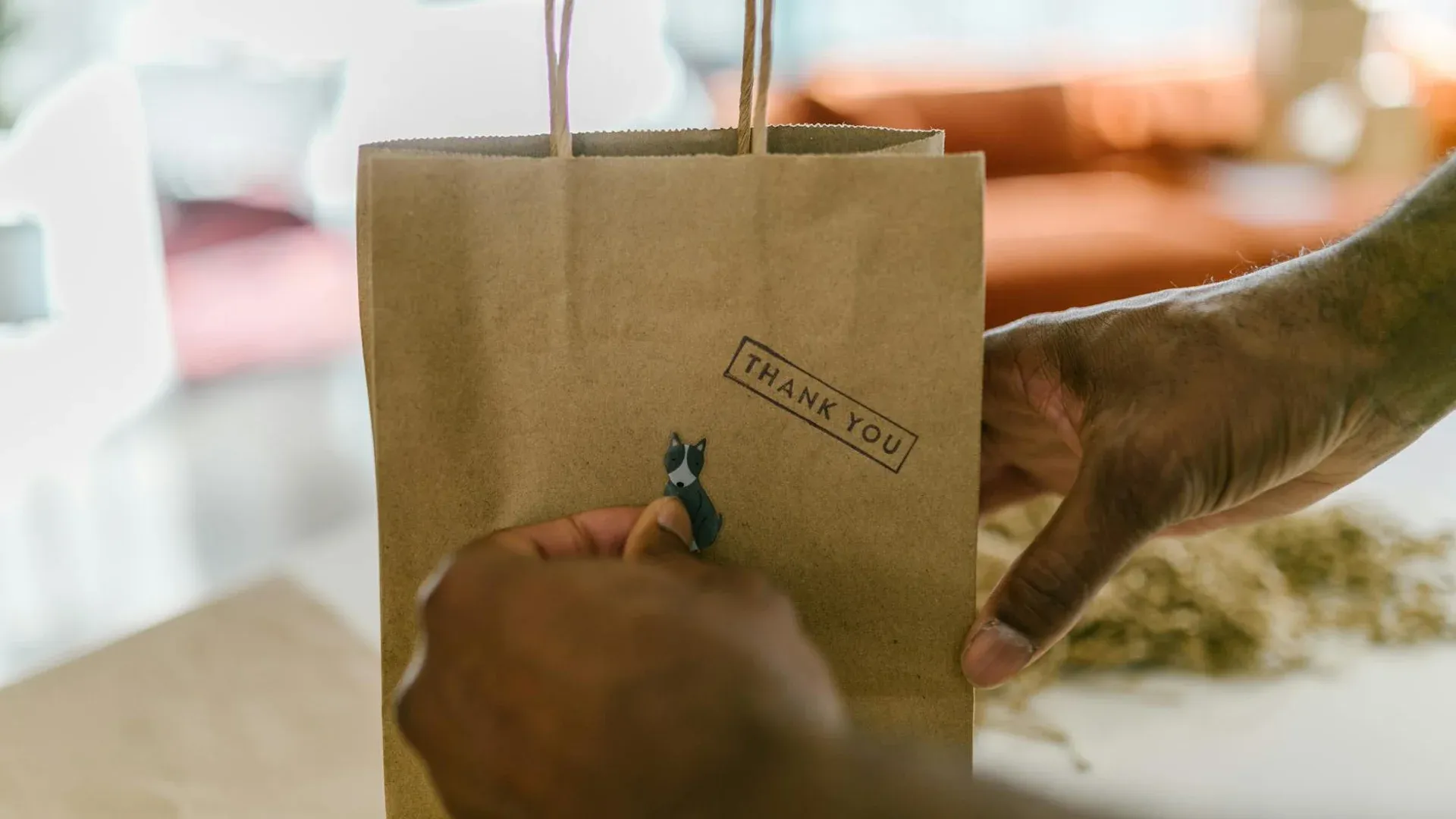
- Paper or cloth bags with seal: fast for queued events.
- Rigid case or tin: reusable; reinforces premium.
- Tray kit: keeps cable + gadget + flyer from tangling.
Branding on Packaging
Screen or foil on lid, adhesive label with variable data, or generic sleeve plus campaign sticker for flexibility. Respect labeling law for electrical goods (origin, voltage, warnings). Packaging must not hide mandatory information.
Credible Sustainability
Recyclable or certified materials need honest design: too many “eco-looking” layers that do not separate cleanly frustrate users. Fewer, well-chosen pieces often win.
Unit Cost vs Experience
Moving from a generic bag to a box with insert raises price but also retention and spontaneous social photos. Divide incremental cost by brand impressions on social if your audience shares unboxing.
For ship-to-home, packaging must survive drops without the product scuffing the interior; soft inserts or dividers avoid cosmetic returns.
If you use neutral packaging across campaigns, design a swappable element (band, sticker) that changes the message without redesigning the whole box.
Open Experience and Accessibility
Make boxes open without aggressive scissors; the first second of unboxing sets frustration versus delight. For audiences with limited hand mobility, avoid fussy bows or overly stiff closures.
Add pictographic instructions if the product needs minimal assembly; it cuts “could not figure it out” returns.
Coherence With the Rest of the Kit
When POP sits inside a larger kit (folder, physical sample, treat), packaging must fit the rep’s standard carry-on. Stacked heights and total weight matter; a beautiful kit that will not fly stops being a gift and becomes a logistics problem.
Number packaging versions if you iterate seasonally; avoid mixing old and new boxes in one store shipment.
For B2B ecommerce, test packaging against your carrier’s standard drop spec; a corner hit can break product even when the box feels thick.
Retail Shelf vs Direct Ship
Retail-shelf packaging faces different abrasion rules than parcels tossed by couriers. If the same SKU serves both, you may need two pack styles or an outer shipper that never faces the consumer. State which journey is primary so the supplier optimizes structure and cost in the right place.
Quote recycled content percentages only when verifiable; regulators and B2B buyers increasingly ask for evidence, not marketing adjectives alone. Keep certificates or lab notes in the same folder as the packaging specs for quick answers during RFPs.