What to Consider When Choosing a Power Bank
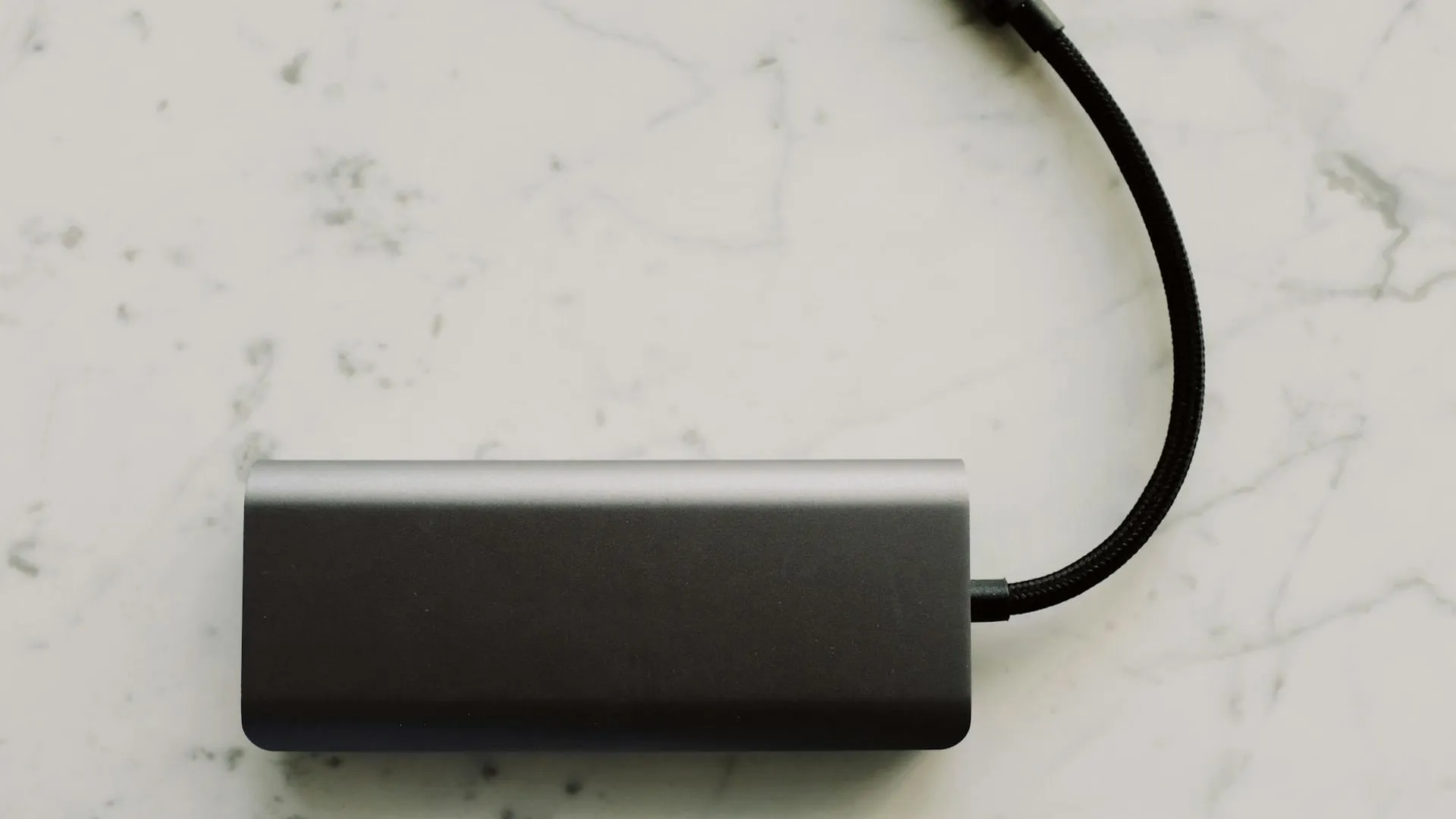
Power banks have become one of the most widely used tech accessories in daily life. Whether for personal use or as a corporate gift, choosing the right portable charger can make a big difference in the user experience. At UniversoUSB, with over 15 years in the promotional products market, we share what you need to know before buying.
What Is a Power Bank and What Is It For?
A power bank is a portable external battery that lets you charge mobile devices like smartphones, tablets, Bluetooth headphones, and other gadgets without being plugged into a wall outlet. It works simply: you pre-charge it via a USB cable, and it then transfers that stored energy to your device when you need it.
Key Factors When Choosing a Power Bank
1. Capacity (mAh): Capacity is measured in milliamp hours (mAh) and determines how many full charges you can get. The average smartphone has a battery between 3,000 and 5,000 mAh, so:
- 5,000 mAh: Ideal for one emergency full charge. Compact and lightweight, perfect for your pocket.
- 10,000 mAh: The perfect balance between portability and capacity. Offers 2–3 full charges for most smartphones.
- 20,000 mAh: For heavy users or long trips. Can charge a phone up to 5 times, though it's heavier.
2. Size and Weight: There's a direct relationship between capacity and size. If you want something pocket-friendly, a 5,000 mAh power bank is the best choice. If you carry it in a bag or briefcase, you can go for 10,000 to 20,000 mAh without issue. For corporate gifts, slim 5,000 to 10,000 mAh models are the most popular due to their great portability-to-capacity ratio.
3. Cell Quality: Battery cells are the heart of any power bank. There are two main types:
- Lithium-ion (Li-ion) cells: More common and affordable. They offer good energy density and are reliable for regular use.
- Lithium-polymer (Li-Po) cells: Allow thinner, lighter designs. They're more stable and have a lower risk of overheating.
Always look for power banks with Grade A cells and safety certifications. Cheaper models often use recycled cells that may swell, lose capacity quickly, or even be dangerous.
4. Output and Input Ports: A good power bank should have:
- USB-A: The classic port, compatible with most charging cables.
- USB-C: Increasingly standard, it allows bidirectional fast charging (charge the power bank and your device through the same port).
- Micro-USB: Older but still found on budget models.
Models with dual output ports let you charge two devices simultaneously, which is very practical.
5. Fast Charging: If your smartphone supports fast charging (Quick Charge, Power Delivery, or similar), look for a compatible power bank. This can reduce charging time by up to 50%. Models with Power Delivery (PD) of 18W or more are especially useful.
6. Indicators and Design: The best power banks include LED indicators or a digital display showing the remaining charge level. This avoids the frustration of running out of power without warning. Regarding design, for corporate use, neutral-colored finishes (black, white, silver) with smooth surfaces that allow clear logo printing or engraving are recommended.
Recommendations for Corporate Use
If you're considering power banks as business gifts or POP materials, keep in mind:
- Customization: Choose models with flat, ample surfaces so your logo is clearly visible. Laser engraving provides a premium, lasting finish.
- Packaging: A well-presented power bank in an individual box elevates the perceived gift value.
- Recommended capacity: 5,000 to 10,000 mAh is the ideal range for corporate gifts: useful, portable, and cost-effective.
- Warranty: Make sure your supplier offers a warranty and uses certified cells.