Print Types: Screen, Pad, Laser & More
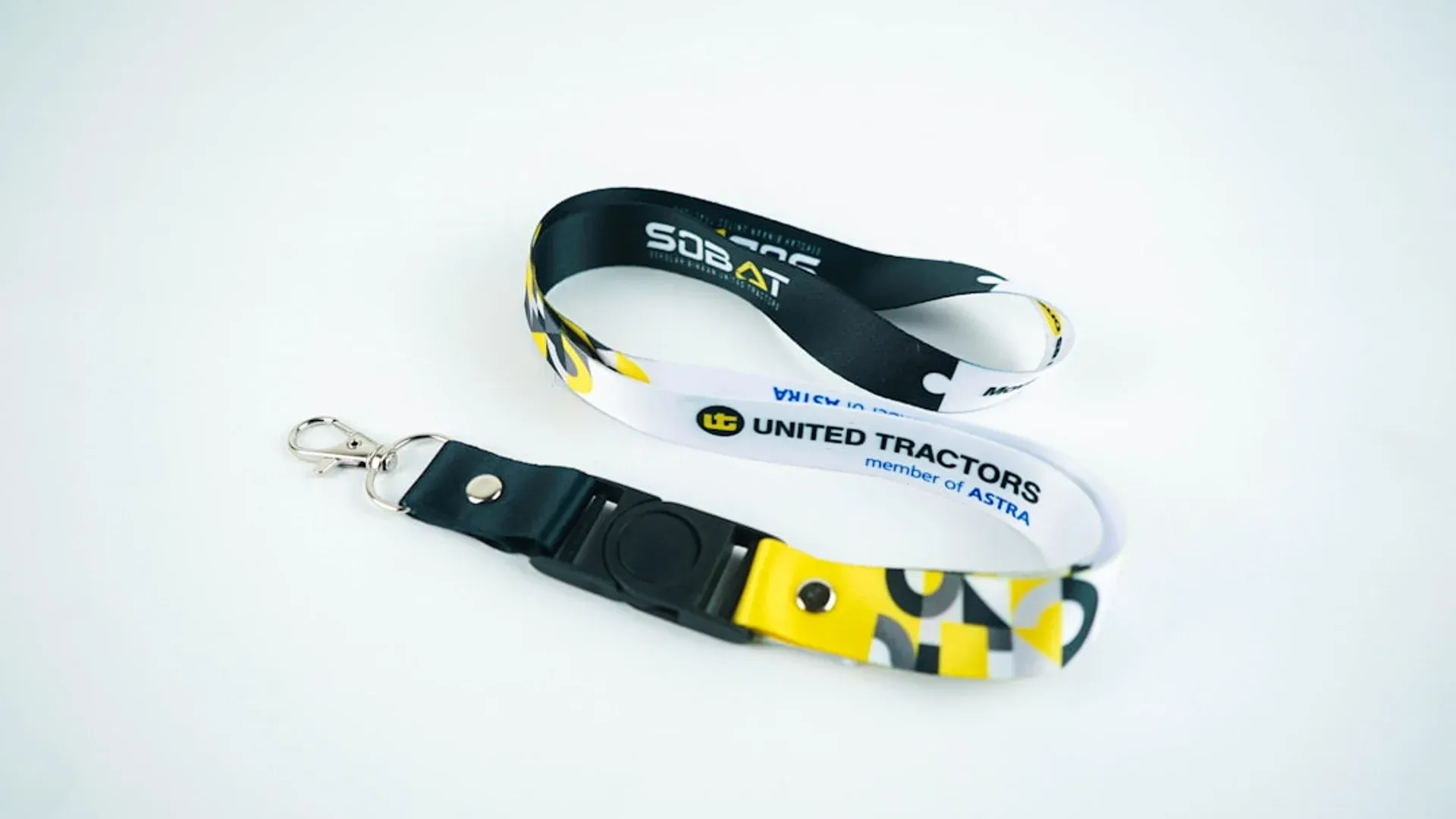
“Printing” on promotional products is not one process: each technique deposits ink, ablates the surface, or transfers images differently. The right choice affects durability, gloss, color count, and unit cost. At UniversoUSB we work with several technologies; here is a clear map for deciding with your supplier.
Screen Printing
Ink passes through a mesh onto the substrate. It fits medium and large runs on textiles, flat plastics, or rigid packaging when you need solid Pantone colors and good opacity on dark bases. Screen setup cost amortizes with volume.
It limits ultra-fine detail and complex photo gradients in one pass; realistic photos often need another method. On steep curves, multi-color register demands shop skill.
Pad Printing
A silicone pad picks ink from a plate and transfers it to the object. It rules irregular surfaces: pens, molded cases with radii, buttons. Multiple inks can be applied in successive passes. Very versatile at typical promo volumes.
Maximum print size per pass is modest versus flat screen; long smooth gradients are weaker than digital.
Laser Engraving
Ablation or tone change on metal, wood, some plastics, or leather. No ink to wear off: the finish is permanent and very premium on anodized aluminum (revealing metal under the dye layer). Monochrome by nature except special materials or processes.
It needs clean vector art; full photos only with specific photo-marking setups.
Digital and UV Printing
Direct inkjet or UV-cured ink on the object. Strong for full color, gradients, and variable data on shorter runs or mixed pieces. Durability depends on varnish or plastic adhesion; for harsh use (keychains that knock around), ask about abrasion resistance.
Sublimation and Heat Transfer
Sublimation fixes dye into polyester or specialty coatings; results are vivid and washable on properly treated textiles. Heat transfer adds flexibility for small runs with many name or number variants.
How to Choose in Practice
- Few colors, high volume, textiles: screen print.
- Small, irregular object: pad print.
- Metal and executive look: laser.
- Photo or many colors on plastic: UV/digital with rub testing.
Durability in Real Use
A perfect lab print can fail if the object lives in a pocket with keys or if users apply harsh sanitizer. Request rub testing (tape test or simulated cycles) when the item sees intense daily use.
Combine techniques thoughtfully: laser on metal plus color vinyl on packaging can add flexibility without forcing photo print on metal. Experienced suppliers suggest hybrid stacks when the brief allows.
Document which technique covers each zone on the spec sheet so support and warranty speak the same language as production.
Total Cost and Minimum Runs
Screen print amortizes screens on long runs; digital shines on low volume with many colors. Ask for fixed versus variable cost breakdown to compare 500 / 2,000 / 5,000 unit scenarios before locking a technique.
Some special finishes (relief, soft-touch) need extra processes; include them in timeline and budget from the brief.