Tech POP and Circular Economy
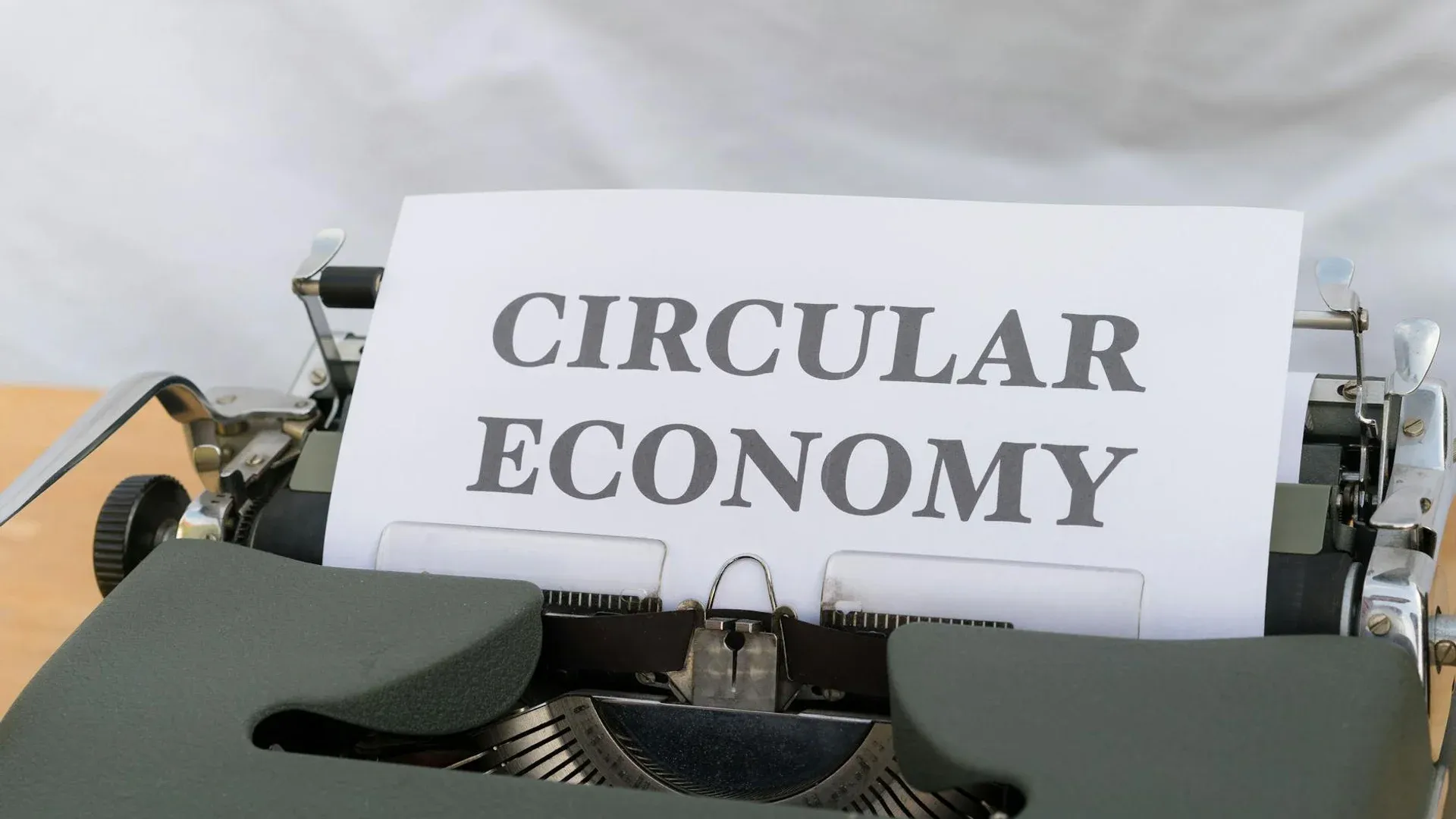
The circular economy aims to keep materials and products in use as long as possible through repair, reuse, and high-quality recycling. In tech POP —where batteries and plastics dominate— the challenge is twofold: meet gift expectations and minimize linear end-of-life “buy-use-trash.” Leading brands already ask suppliers for take-back programs and transparency.
Pillars That Apply to POP
Design to Last: Prioritize replaceable shells, screws instead of glue-only builds, and drop certifications to keep objects circulating. A power bank that lasts two years of daily use beats three that last one.
Take-Back and Recycling: Some distributors offer collection of depleted batches or past campaigns to route batteries to authorized handlers. Documenting that flow supports corporate sustainability reporting.
Recycled Inputs: rPET in sleeves, recycled aluminum in housings, and certified paper in packaging partially close the loop at origin. Ask for percentages and traceability, not generic green claims.
Communication with Customers and Employees
- Clear instructions: Where to drop electronics at end of life.
- Second life: Suggest donation to schools or NGOs if the gadget still works.
- Modularity: If the cable detaches, users replace only the cable.
Realistic Limits
Not every promotional gadget becomes 100% circular overnight —costs, MOQs, and electrical rules constrain progress. Gains are cumulative: a model with a replaceable battery and minimal packaging beats a “green kit” with hidden plastics.
Metrics for Corporate Reporting
When clients ask for KPIs, measure recyclable packaging share, virgin plastic weight avoided versus a prior baseline, and units routed to authorized recycling at campaign close. Don’t mix marketing metrics with environmental ones without methodology —fewer auditable figures beat optimistic tables.
For public tenders or large accounts, attach letters from waste handlers or framework agreements with battery recyclers. That paperwork often matters as much as unit price when buyers have sustainable purchasing mandates.
- Model contract clause: Optional take-back with minimum volume.
- Event staff training: How to separate cables, cells, and cardboard at the booth.
- Annual review: Update spec sheets if manufacturers change material composition.