Ultimate Guide: Choosing POP for Your Business
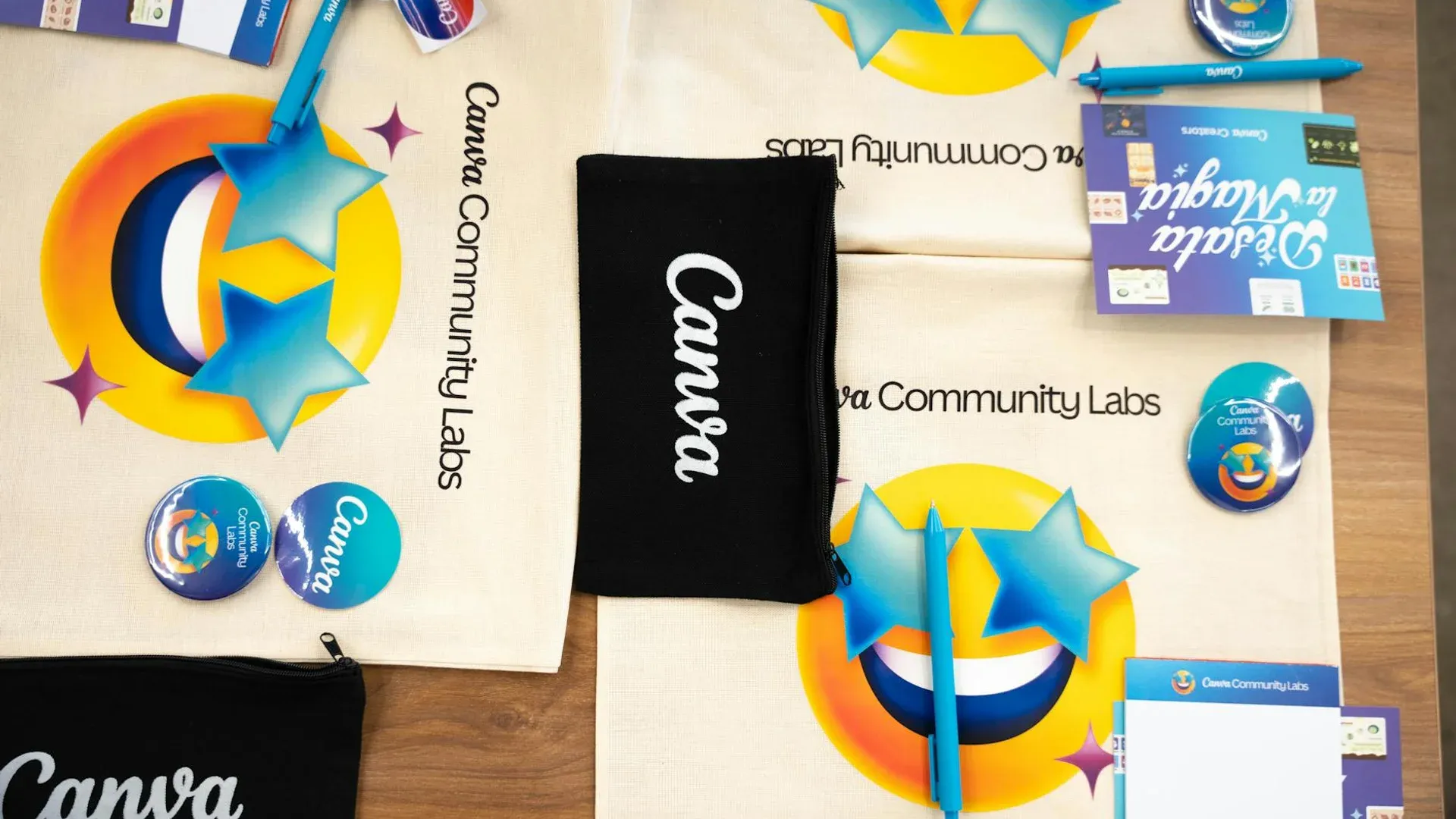
Point-of-purchase (POP) materials remain essential when you want your brand to be seen, touched, and remembered. But among displays, stands, customized gadgets, and packaging, a poor choice means spending budget with little measurable impact. At UniversoUSB we summarize the criteria marketing and procurement teams use to get it right the first time.
Define the Goal Before the Catalog
Not all POP serves the same purpose. Some pieces aim for awareness at trade shows; others for loyalty in VIP deliveries; others for conversion in retail. Stating in one sentence what the material must achieve prevents generic orders no one uses after the event.
- Is it for a single event or recurring stock for office or store?
- Is the recipient an end customer, partner, or employee?
- Do you need space for legal copy, a QR code, or logo only?
Fit With Your Brand and Channel
Questions That Clarify the Decision: Corporate colors, approved typefaces, and logo versions should travel in the brief. If POP includes tech products (flash drives, power banks, cables), check that finishes and customization follow brand guidelines. Matte versus gloss can completely change perceived quality.
Budget: Unit Price vs Total Impact
Comparing unit price alone is misleading. Calculate cost per useful impression (how often the logo is seen), per trade show table, or per delivered kit. Sometimes a slightly more expensive item with better finishing reduces rework and brand damage.
Production Quality and Lead Times
Request physical samples or at least final mockups when volume is high. Confirm marking technique (laser, pad print, UV) for each substrate. Allow time for art adjustments and production; rushed projects often pay rush fees or accept errors.
Logistics and Sustainability
Consider packaging, shipping weight, and storage. Options with less single-use plastic or reusable packaging align better with ESG policies and consistent brand messaging.
Suppliers, Samples, and Differentiation
A serious shop will say “no” when an idea clashes with technique or budget—that usually signals judgment, not bad faith. Before repeating the same gadget you saw on three rival stands, ask for shape or finish alternatives that reinforce positioning; POP also signals how innovative the brand feels.
Visual references speed aesthetic alignment but do not replace dimensions, quantities, or hard deadlines. Pair a moodboard with hard data in the request email to get a useful quote on the first reply, not a “we need more info” loop.
If the order is large, a physical sample or color prototype beats ten video calls. Archive the approved piece: it becomes the quiet pattern for reorders next year.
Sustainability and Coherent Messaging
B2B audiences increasingly tie plastic type, recharge versus disposable design, and packaging excess to brand values. Choosing POP aligned with your environmental policy—without greenwashing—means asking suppliers about certified recycled content, repair options, or second-life use.
When sustainability is central, prioritize durable utility over single-use gadgets that end up in drawers. A reinforced cable or quality tumbler signals respect for the customer’s time as well as the planet.