Unboxing Guide: How to Present Your POP
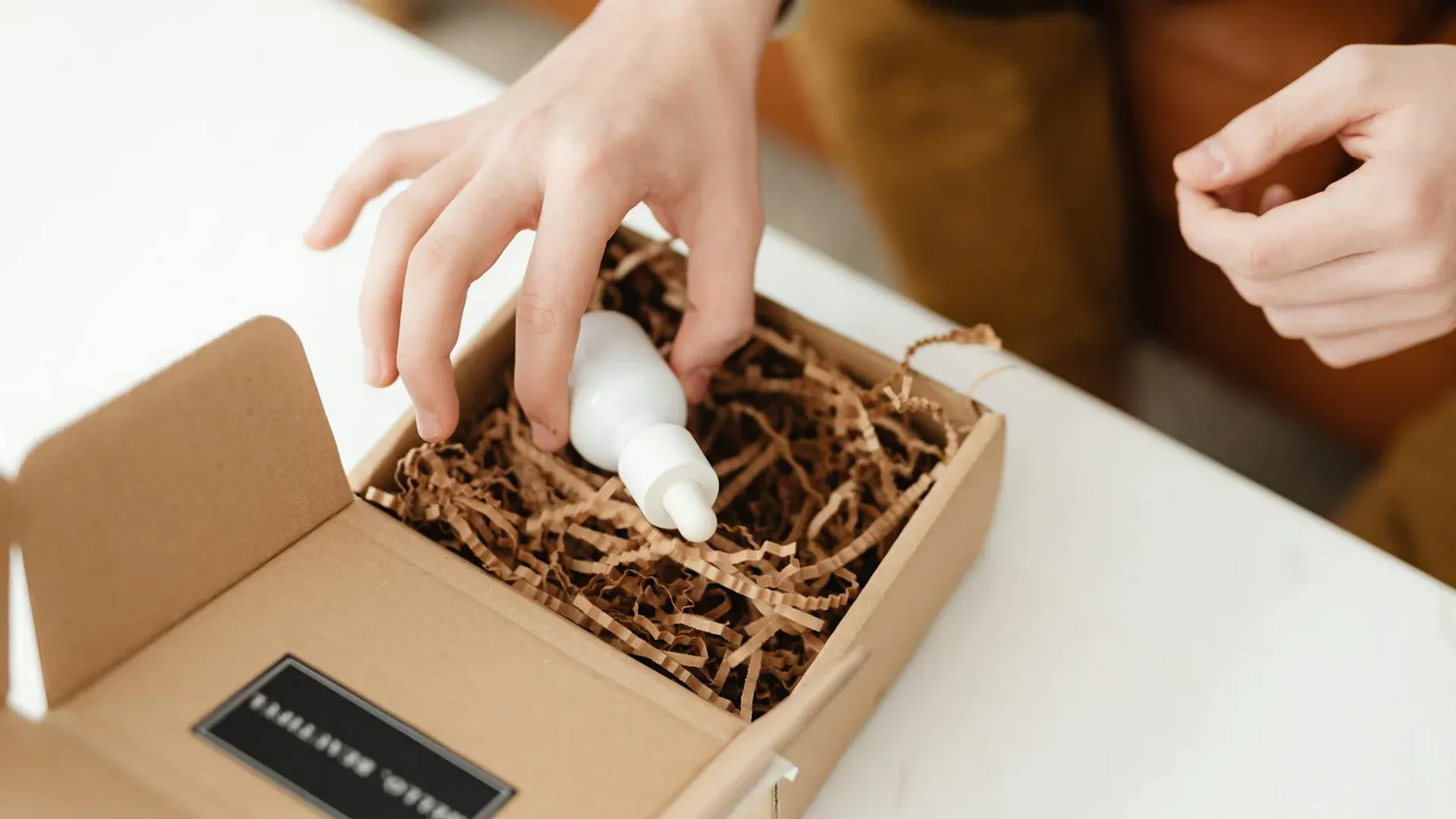
Unboxing isn’t vanity: it’s the first physical touchpoint with your brand after the digital promise. A well-presented POP kit reinforces quality perception, fuels organic social content, and reduces “I didn’t get what this was” returns. This guide helps you structure the experience step by step.
Define the Message in Three Seconds
When the box opens, the first visible element should answer: who sent this and why? A card, inner sleeve, or printed lid with a short claim. Avoid long legal copy on the first layer; move it to an insert.
Layers: From General to Intimate: Suggested order: outer protection (sturdy box) → brand reveal (printed interior or tissue with seal) → main product → accessories and manual. Each layer is a narrative beat; don’t show everything at once.
Materiality and Credible Sustainability
Kraft board can feel premium if cuts and closures are precise. If you claim “eco,” skip unnecessary plastics; use molded paper inserts or certified recycled foam. Alignment between message and packaging builds trust.
Useful Content Inside the Kit
- QR to onboarding: short video, spec sheets, or warranty registration.
- Low-cost surprise piece: sticker, small keychain, spare cable.
- Clear call to action: campaign hashtag or measurable landing page.
Unboxing for Camera
If you want UGC, leave visual “negative space” so hands and product can breathe. Soft side light reduces glare on plastics. Brief creators on layer order so the video rhythm isn’t broken.
Common Mistakes
- Box too tight: frustrating to open.
- Loose product without retention: arrives scratched.
- Excess filler with no function: feels cheap, not premium.
Sustainability Without Killing the Magic
Natural-fiber paper tapes, soy inks, and reusable magnetic closures lift perception if opening stays fluid. Avoid “box inside a box” purely for looks—each layer needs a narrative or logistics reason. If you claim recyclability, say which bin each material belongs in; it reduces user guilt and improves real recycling rates.
Test With Real Users: Before mass production, have five people outside the design team open the prototype slowly on camera. Note where they hesitate, smile, or reach for scissors. Those friction seconds are what show up in reviews and spontaneous TikToks.
Reverse Logistics and Returns
If kits cross borders, include return or recycling instructions only when relevant—many gifts never come back, but B2B sometimes has compliance policies. A QR to FAQ cuts support email. Consider packing volume: oversized boxes multiply storage cost and footprint.
Retail vs B2B Versions: Retail may need theft-resistant blister; direct B2B favors premium board cartons. Don’t reuse one design unadapted—the touchpoint and buyer expectation differ.
One-Page Checklist
- Layer order tested with users.
- Courier weight and dims declared.
- Insert with URL and support in the right language.
- “As received” photo archived for logistics claims.
Final Note
Great unboxing is repeatable: document the approved sequence, train booth staff or fulfillment, and keep a sealed “golden sample” as reference. When a new vendor joins, they open the sample first—fewer surprises, faster QA, happier recipients.