USB Drive Evolution: From 128MB to 1TB
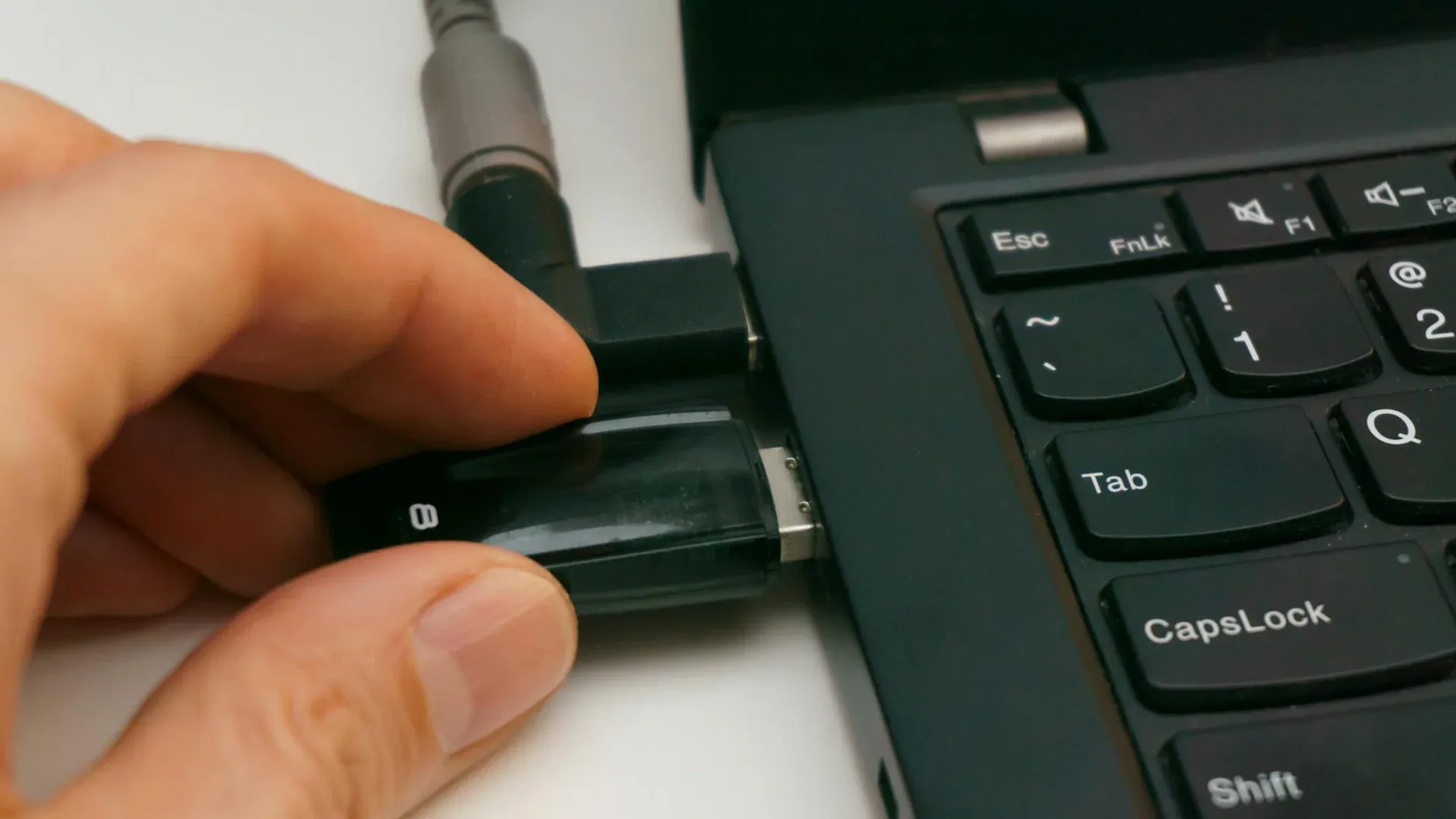
Just over two decades ago, 128 MB felt almost endless for documents and a handful of MP3s. Today a phone photo can exceed that size on its own. USB drive evolution mirrors consumer electronics: higher density, faster speeds, and connectors that keep pace with laptops and phones.
From symbolic storage to professional tool
Early mass-market drives offered tens or a few hundred megabytes—perfect for decks and PDFs. HD video, CAD files, and backups pushed demand toward gigabytes. In the 2010s, 8 GB and 16 GB became promotional norms; in 2026, 32 GB and 64 GB are common for serious corporate gifts.
512 GB and 1 TB stick-form factors—at premium prices—show the format remains vital for creative pros, field techs, and portable backups.
Speed and USB standards
USB 2.0 drove global adoption; USB 3.x multiplied bandwidth and cut copy times for large files. USB-C brought a reversible connector and, on many devices, power and video in one cable. For end users, “USB” now describes a whole compatibility ecosystem, not just plug shape.
Implications for promotional marketing
Higher capacities allow richer pre-loaded content (video, demo software, asset libraries) but raise cost and expectations for chip quality. A high-capacity slow drive frustrates users; balance GB with manufacturer-stated speed class.
- Mass events: Mid capacities with reliable chips.
- Creative sectors: Higher-tier drives and larger sizes.
- Tech transition: USB-C or dual models for broad compatibility.
Cloud and USB: coexistence
The cloud did not kill the flash drive; it reshaped its best use cases. Handing a physical drive remains reliable for huge files where stable broadband is uncertain. In locked-down corporate settings, an in-hand USB can bypass policies on external links. The drive evolved from “the only medium” to “a situational tool”—which is why it stays relevant in marketing and operations mixes.